
RELATED
 Centrifugal Fan Selection Guide: Application and SelectionAug 18, 2026
 How to Size an AC Wall Mounted Axial Fan for Airflow and Static PressureAug 07, 2026
 Guarded Axial Fan Manufacturer Direct – Selection Guide for Condenser & Cold Storage Fans | Wholesale PricingAug 03, 2026
 Commercial Kitchen & Bathroom Ventilation Fan Selection Guide | Metal Inline Duct Fan & Wholesale Hotel Ventilation FanJul 22, 2026
 High-Suction Industrial Wall-Mounted Axial Fan: Why It's Becoming a Factory StandardJul 10, 2026

MESSAGE
How to Choose the Right Industrial Fan: Axial vs Centrifugal vs Duct Fan
Meta Description:
Choosing between an axial fan, centrifugal fan, or duct fan can be confusing. This guide compares airflow, pressure, noise, and applications to help you select the best industrial fan for your project.
Confused about axial, centrifugal, or duct fans? This short guide compares airflow, pressure, and applications so you can pick the right fan fast.
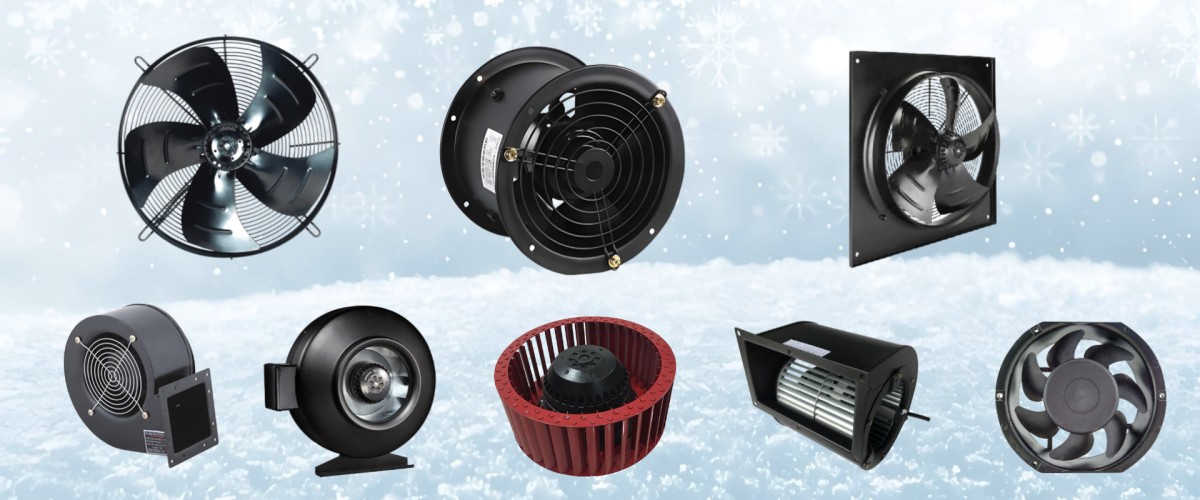
H1: How to Choose the Right Industrial Fan for Your Ventilation System?
When designing or upgrading an industrial ventilation system, selecting the correct fan type is one of the most critical decisions. The wrong choice can lead to insufficient airflow, higher energy consumption, excessive noise, and even premature equipment failure.
The three most common industrial fan categories are external rotor axial fans, centrifugal fans, and duct/inline fans. Each has distinct working principles, performance characteristics, and ideal use cases.
In this comprehensive guide, we will compare these fan types across key parameters including airflow volume (CFM), static pressure (Pa), noise level (dB(A)), installation requirements, and cost. By the end, you will know exactly which fan fits your application.
H2: 1. External Rotor Axial Fan – High Airflow, Low Pressure
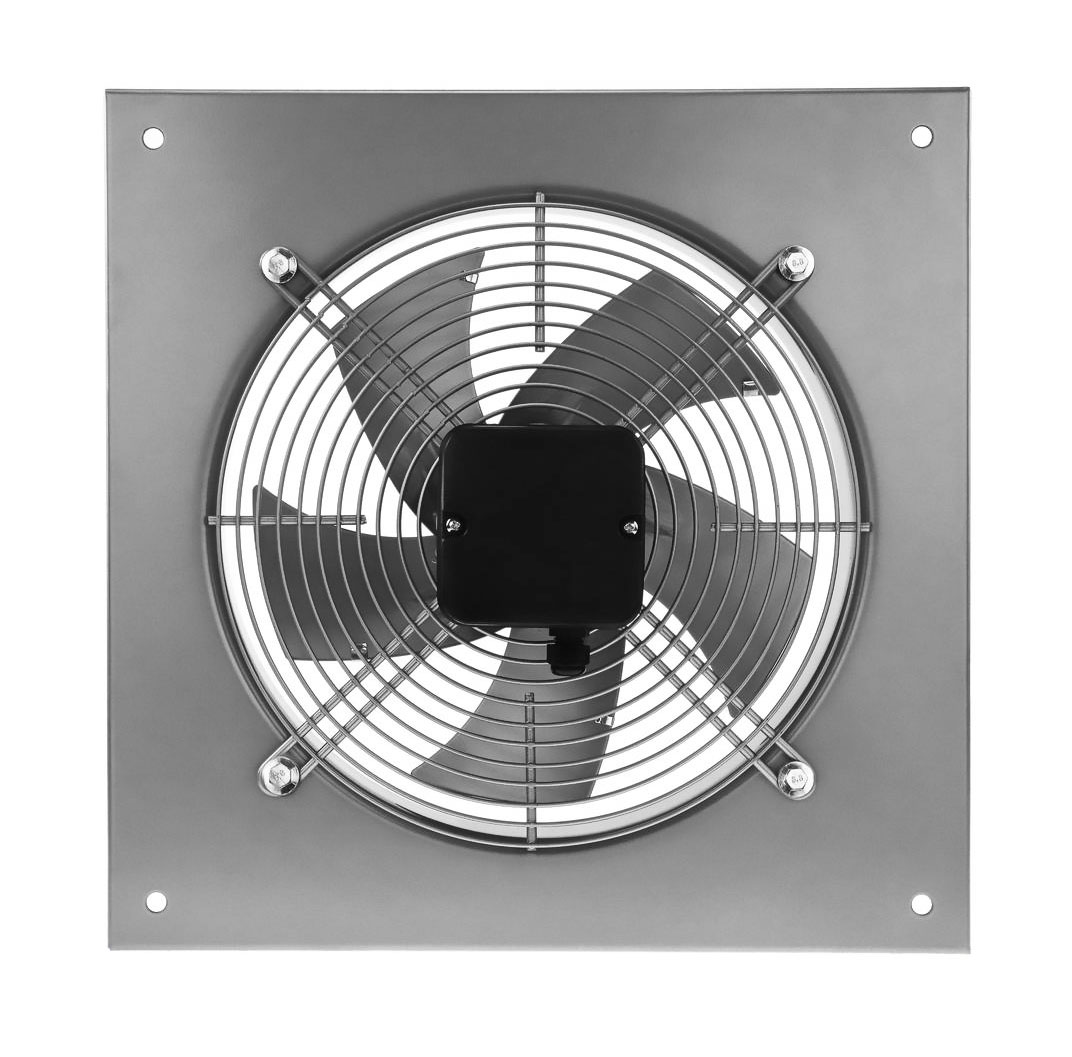
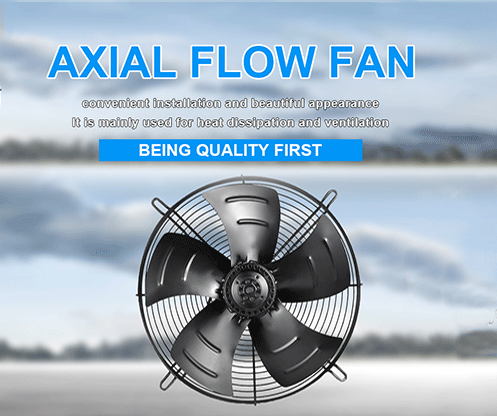
An external rotor axial fan features a design where the motor rotor is directly integrated with the impeller hub. This eliminates the need for belts, pulleys, or couplings, resulting in a more compact and efficient unit.
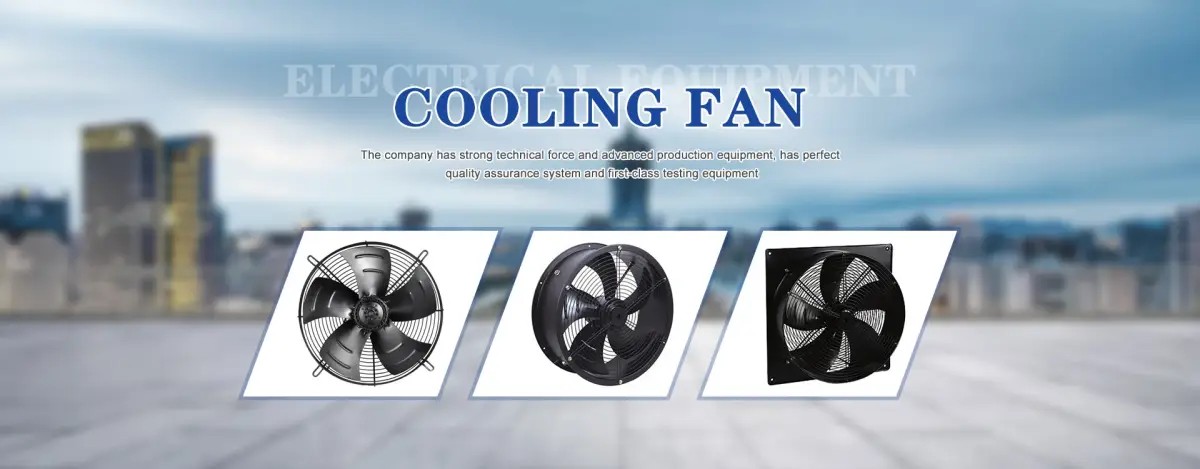
Key Characteristics:
High airflow volume, relatively low static pressure
Compact structure, lightweight
Easy to install and maintain
Smooth operation with low vibration
Typical Applications:
Factory workshop ventilation and air exchange
Cooling towers and condenser cooling
Air conditioning outdoor units
Agricultural greenhouse ventilation
Electronic cabinet cooling
Condenser Unit Fan
Air Cooler Fan
Our Product Range:
We manufacture external rotor axial fans from 200mm to 900mm in diameter, covering most common industrial ventilation needs.
Selection Tip:
When choosing an axial fan, pay attention to airflow rate (CFM or m³/h), total pressure (Pa), rotational speed (RPM), and noise level (dB(A)). For applications with minimal duct resistance, axial fans offer the best value.
H3: What Is a Centrifugal Fan?
Centrifugal fans, also known as blowers, generate airflow by rotating an impeller that throws air outward radially. This design creates significantly higher static pressure compared to axial fans.
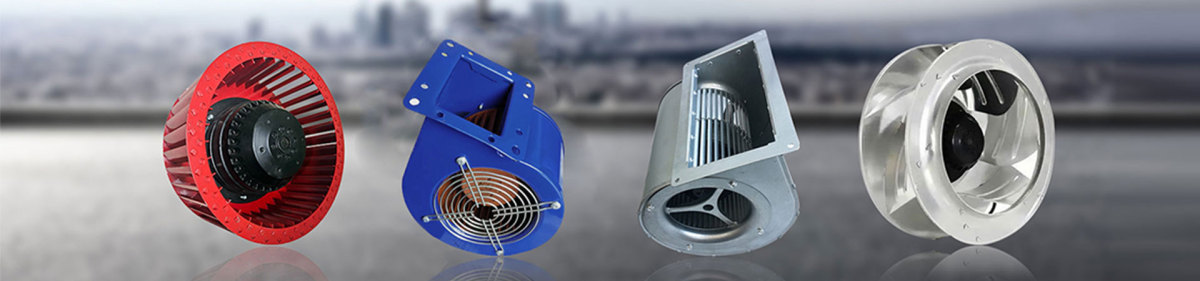
Key Characteristics:
High static pressure capability
Stable performance under varying system resistance
Relatively lower noise at equivalent pressure levels
Larger physical footprint
Typical Applications:
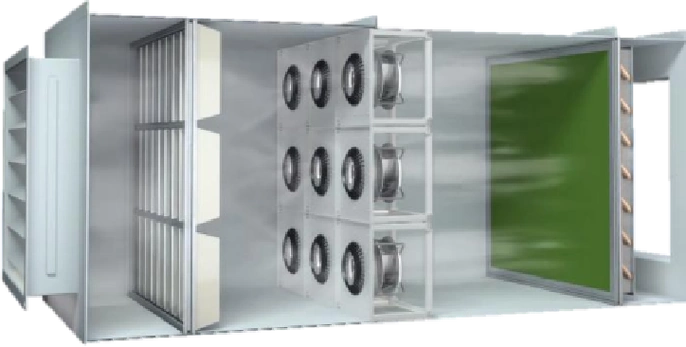
HVAC central air handling systems
Industrial dust collection and material conveying
Boiler forced draft and induced draft
Clean room positive pressure supply
Fume extraction in chemical plants
Selection Tip:
Centrifugal fans are the go-to choice when your system includes long duct runs, multiple bends, filters, or other components that create high resistance. Key parameters include total pressure, airflow, motor power, and drive type (direct drive vs belt drive).
H4: What Is a Duct Fan (Inline Fan)?
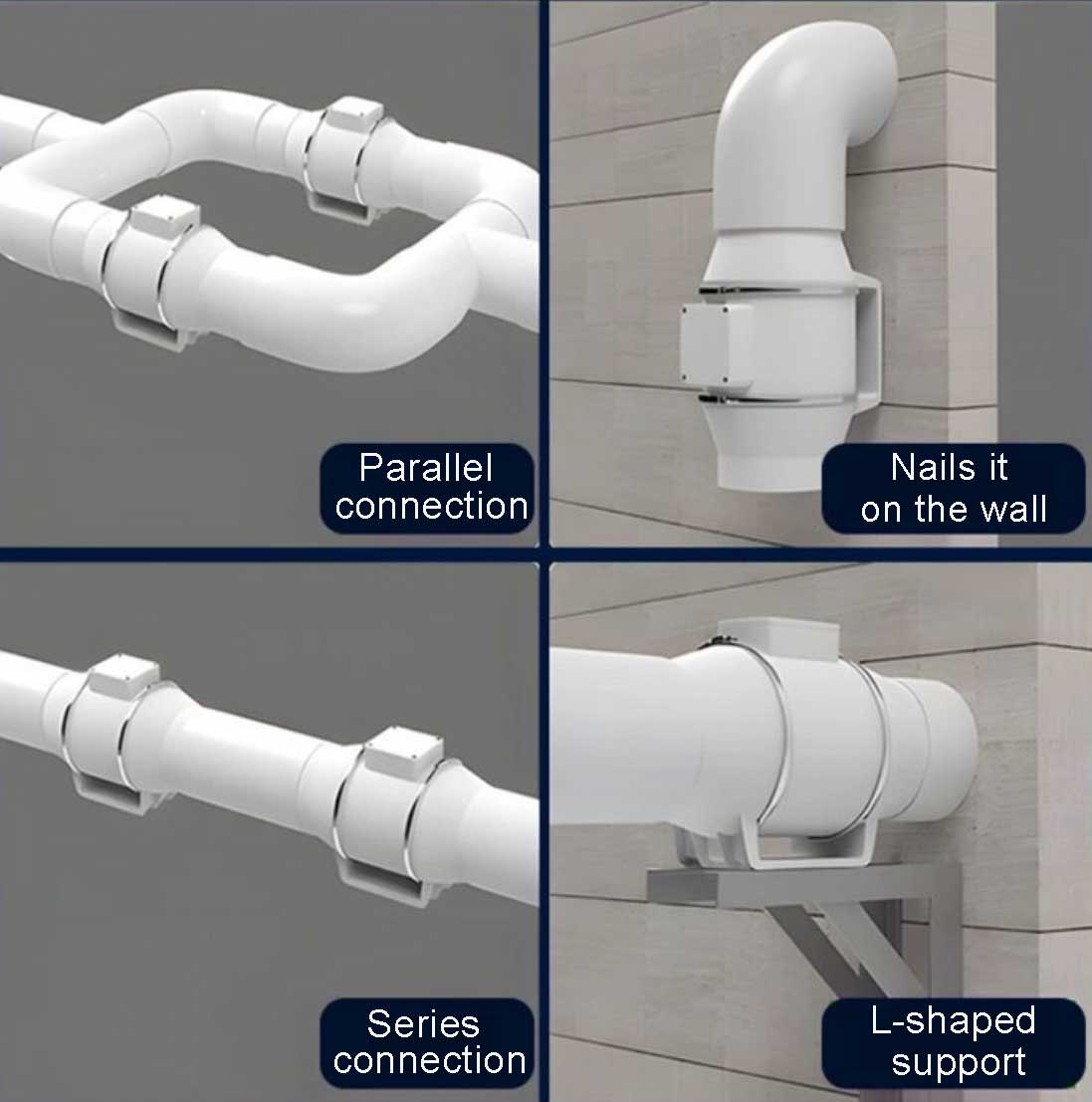
Duct fans, often called inline fans, are designed to be installed directly within a round or rectangular ductwork system. They feature a cylindrical housing with flanged ends for easy duct connection.
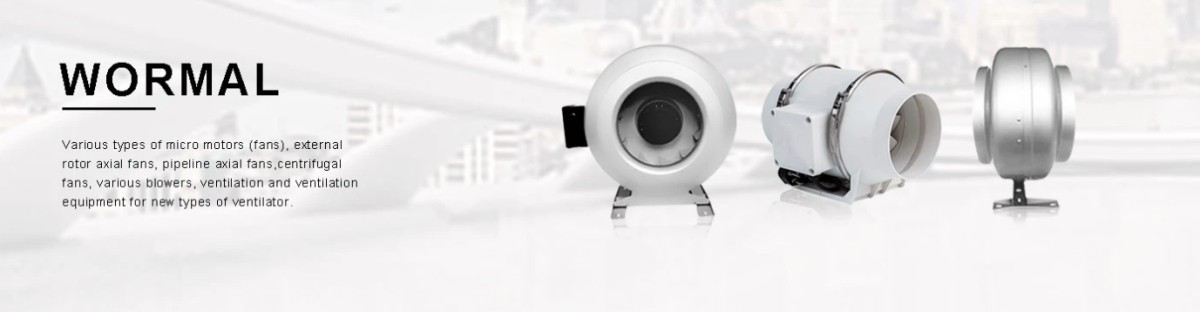
Key Characteristics:
Space-saving design, mounts inside duct
Easy retrofit into existing duct systems
Moderate airflow and pressure range
Lower noise than comparable axial fans in some configurations
Typical Applications:
HVAC fresh air intake and exhaust
Kitchen exhaust and restaurant ventilation
Bathroom and basement ventilation
Grow room air circulation
Small to medium commercial buildings
Selection Tip:
When selecting a duct fan, match the duct diameter precisely, check the static pressure rating, and verify noise specifications. These fans work best in moderate-resistance systems where space is limited.
H5: How to Choose in 3 Steps
Check duct resistance– Low → Axial Fan; Medium → Duct Fan; High → Centrifugal Fan
Calculate airflow needed – Based on room size and air change rate
Consider space and noise – Tight space → Duct Fan; Quiet area → Centrifugal Fan
H6: Need Help?
We make 200mm–900mm axial fans, centrifugal fans, and duct fans for industrial use. CE and RoHS certified.
Please give us a message